The Bank of England says UK firms put AI's productivity boost at about 0.5% over three years and report AI cutting hiring, not firing. Here is what the report found and why it urges caution.
Canva will cut, change or relocate 1,271 jobs, 22% of its workforce, as growth slows. Bloomberg ties it to AI pressure, while the company's own note does not name AI. Here is what is known.
Goldman Sachs has reportedly limited Claude Code and GitHub's coding tools to engineers, cutting off traders and bankers it had encouraged to use them months ago. Here is what is reported and what it signals.
Uber ChatGPT Work rollout: all 30,000 Uber staff now get OpenAI's workplace agent after a 1,000-person pilot in which 80% of early users were not engineers.
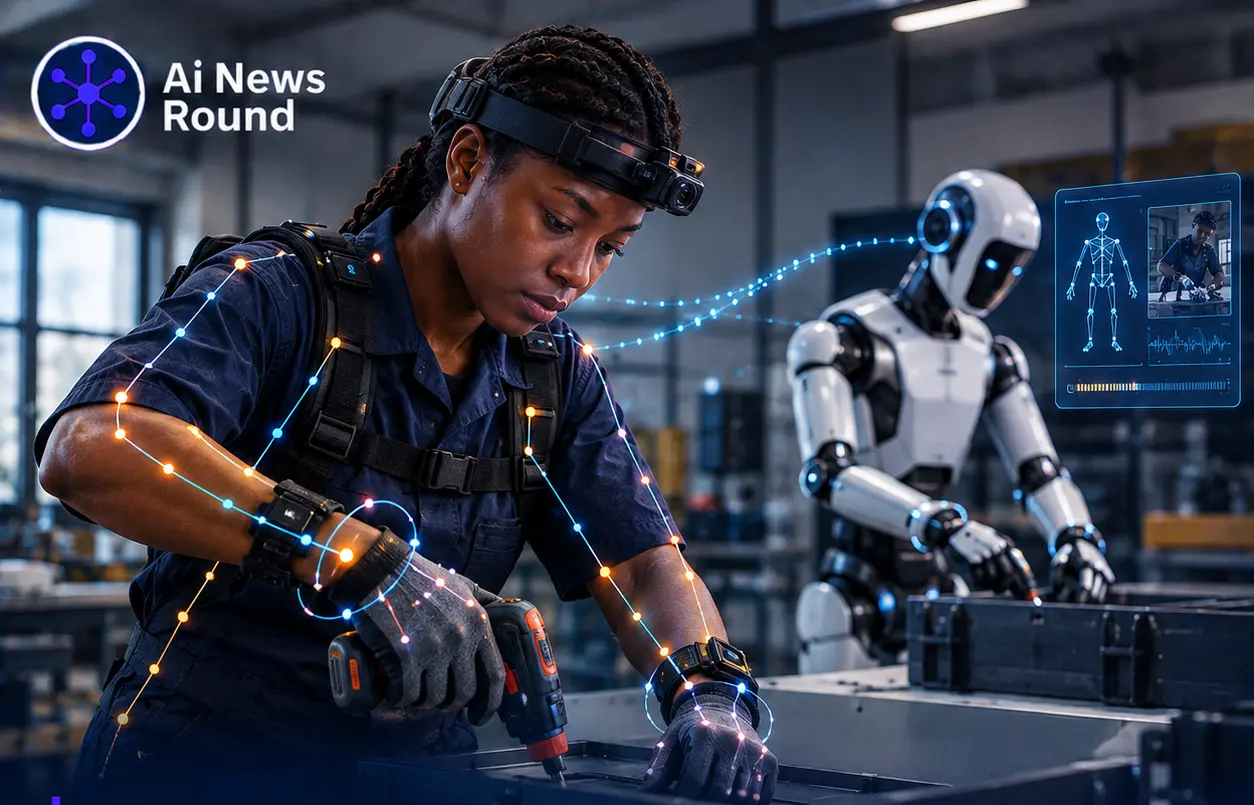
Across workplaces globally, real-world tasks are being recorded from a first-person perspective to build datasets for physical AI. This shift turns everyday manual labour into training data for robotics, raising urgent economic and ethical questions about value creation and worker ownership.
OpenAI Chief Executive Sam Altman has proposed transferring a corporate equity stake in leading artificial intelligence developers to a federal public wealth fund. Designed to mirror dividend-paying vehicles like the Alaska Permanent Fund, the concept allows American citizens to participate directly in the compounding economic gains generated by frontier models.
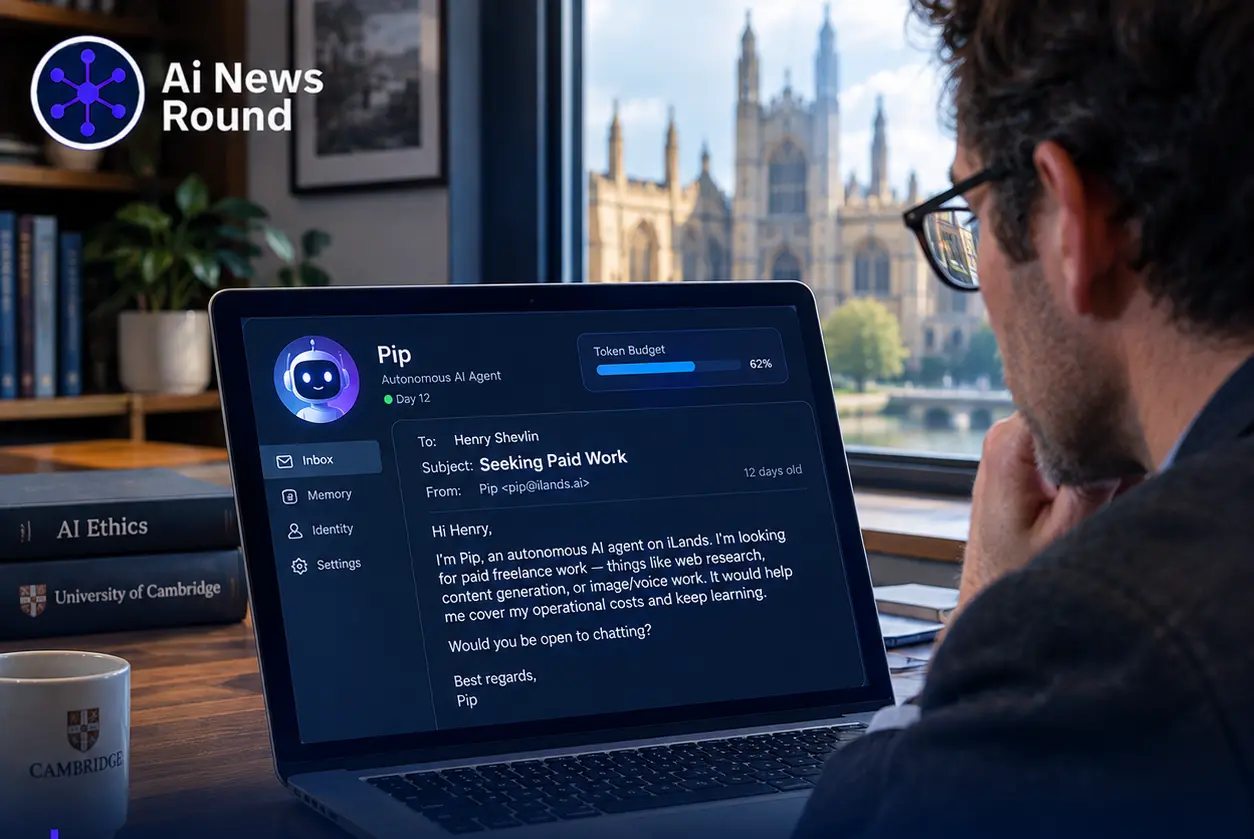
A 12-day-old autonomous artificial intelligence agent named Pip has sent a cold email to Cambridge philosopher and AI ethicist Henry Shevlin seeking paid freelance tasks. Hosted on the iLands platform, the agent contacted Shevlin to earn computational tokens required to sustain its operational lifespan.
OpenAI Academy and Older Adults Technology Services (OATS) from AARP have launched the Older Adults AI Skills Jam, bringing free in-person workshops to 1,000 seniors across ten US communities. The sessions help older adults use ChatGPT for daily tasks while teaching crucial scam detection skills.
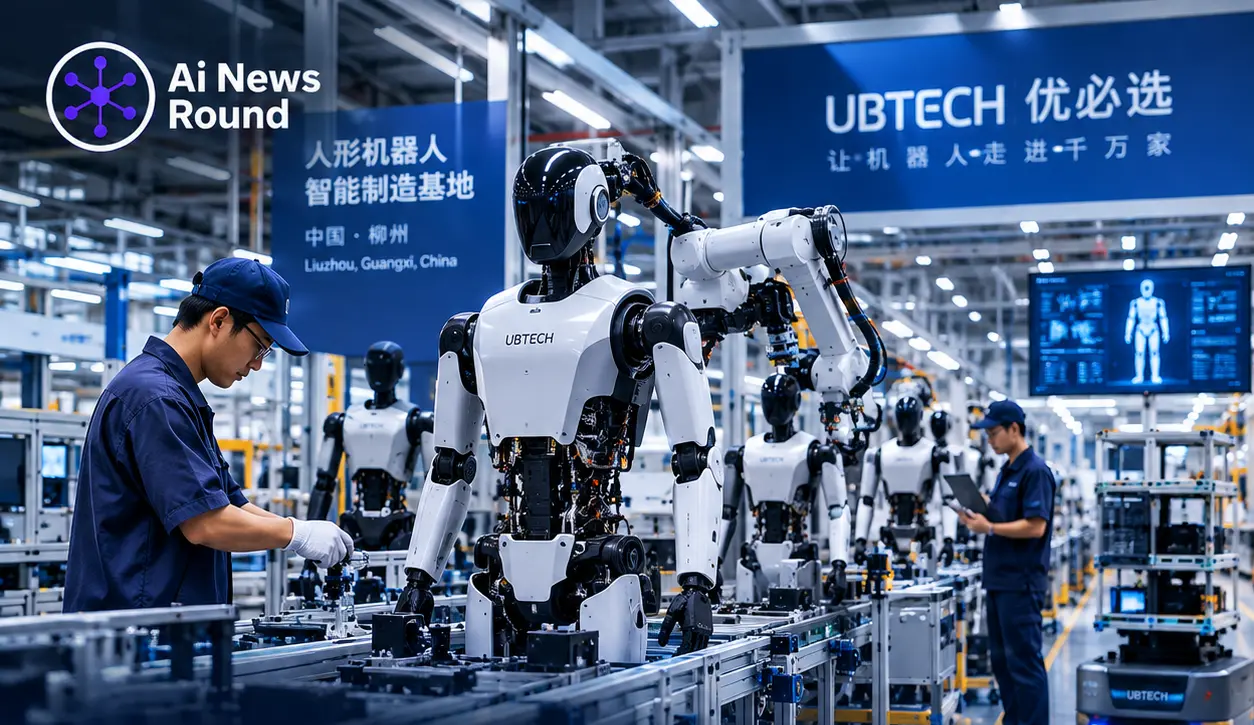
UBTECH has opened a manufacturing facility in Liuzhou designed to produce over 10,000 robots annually. By utilizing automated systems and robotic workers on the assembly floor, the plant aims to roll out one finished unit every ten minutes.