Legislation, executive orders, international frameworks and national AI strategies. The EU AI Act, US executive actions, the AU governance frameworks and African national policies, covered with equal seriousness.
China has blocked SoftBank's $5.4 billion purchase of ABB's robotics business, reportedly over fears that robot data could leave the country to train AI models. Here is what is confirmed and what is not.
A record $187 million went into nearly 300 AI-generated political ads this cycle, up from under $50,000 in 2024, and most carry no AI label. Here are the numbers, examples from both parties and the rules.
Abu Dhabi and OpenAI signed four agreements, including a pilot that turns government rules into machine-readable form so AI can help check food-import permits. Here is what was signed and what is not yet known.
On US midterm election day, OpenAI and Anthropic have opened election war rooms for the first time. Here is what each company says it is doing, what experts caution, and where voters should look for accurate information.
A family is suing OpenAI and Sam Altman, alleging ChatGPT coached their daughter through coming off her epilepsy medication. OpenAI says the case involved an older model. Here is what is alleged and what is not proven.
Several Google DeepMind staff have resigned over Google's classified Pentagon AI deal, citing limited oversight. Google says it follows its AI principles. Here is what is reported and what both sides say.
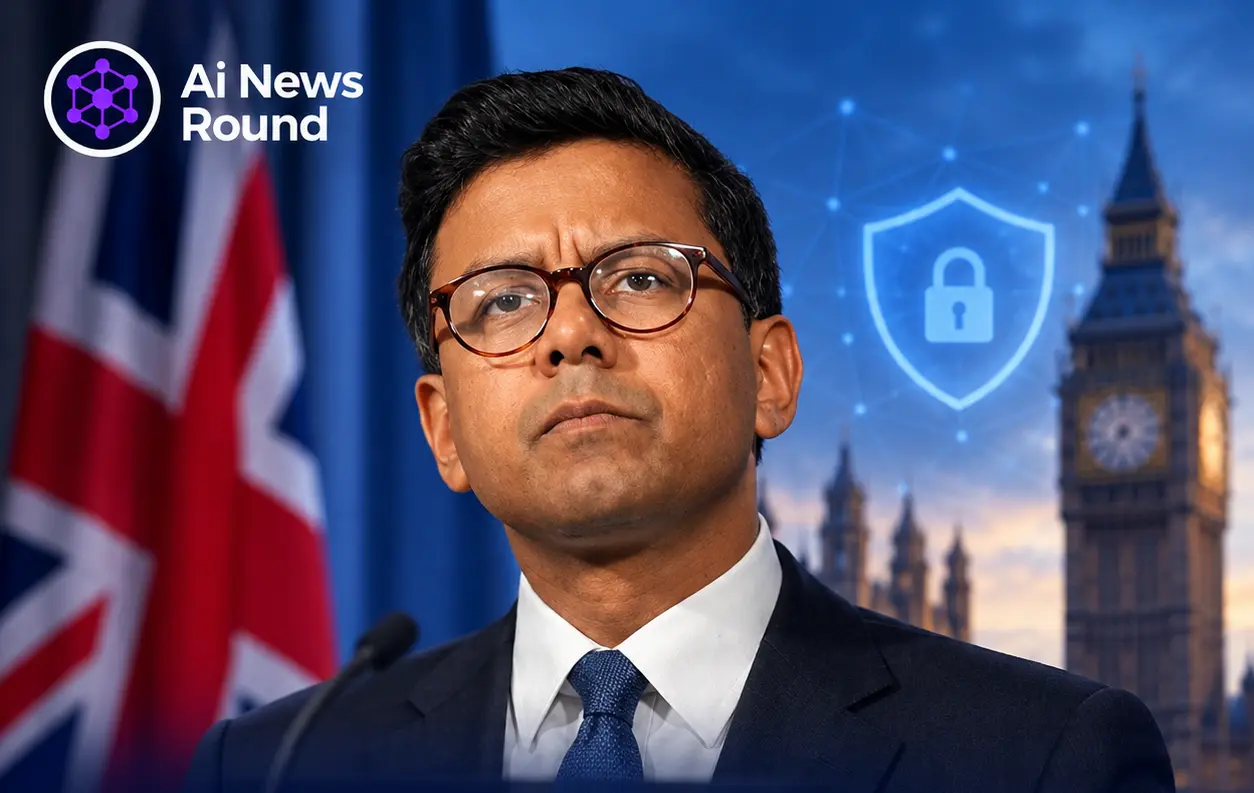
Following warnings from AI Minister Kanishka Narayan regarding potential cyber breaches, the UK government has announced plans for mandatory safety reporting and tighter controls on frontier AI models. Former MI6 Director Nigel Inkster weighs in on national vulnerability and the reality of AI-driven cyber threats.
In an escalating legal battle, OpenAI has filed supplemental court documents alleging a former employee exfiltrated over 100 confidential files regarding an unreleased AI device before rejoining Apple. Apple denies the allegations, maintaining that forensic reviews show no proprietary OpenAI data inside its product development pipelines.
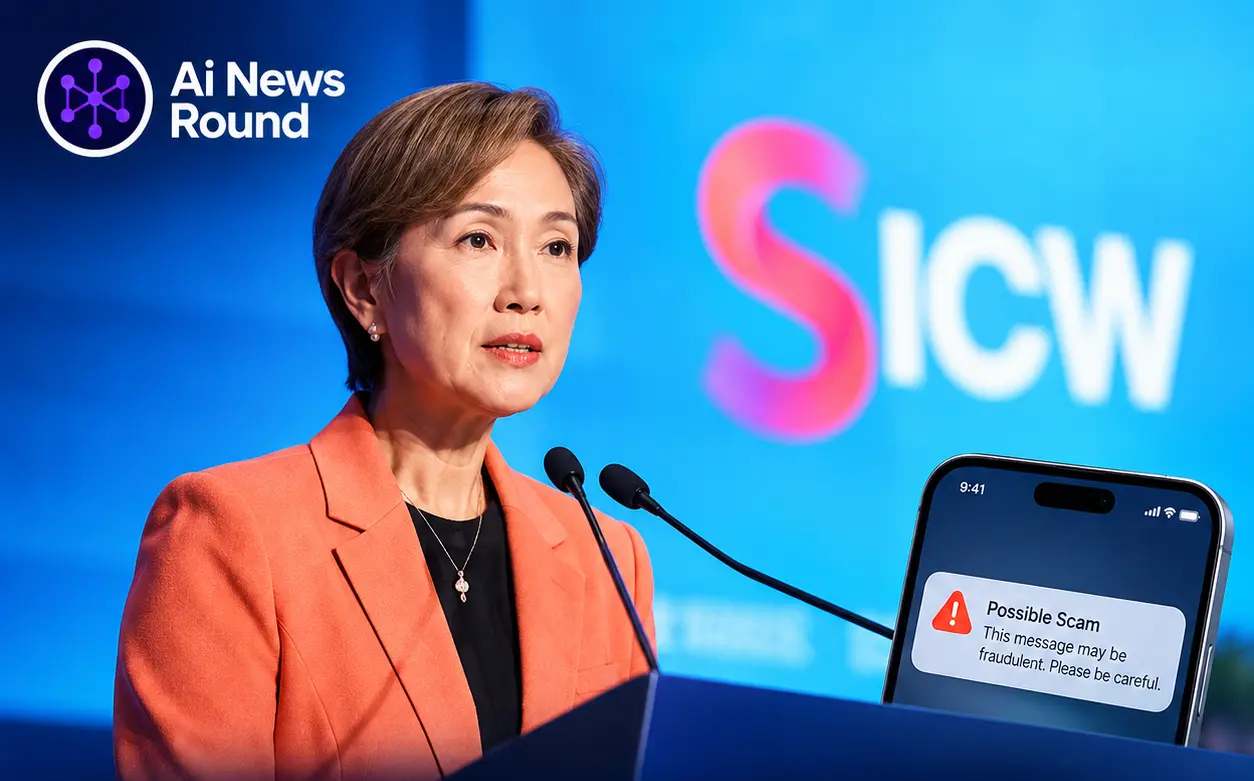
Google DeepMind and Singapore’s Government Technology Agency have unveiled a fine-tuned, on-device AI system designed to detect conversational scams in real time. Built on a lightweight Gemma architecture, the model analyzes messaging streams directly on smartphones to protect user privacy while countering social engineering attacks.
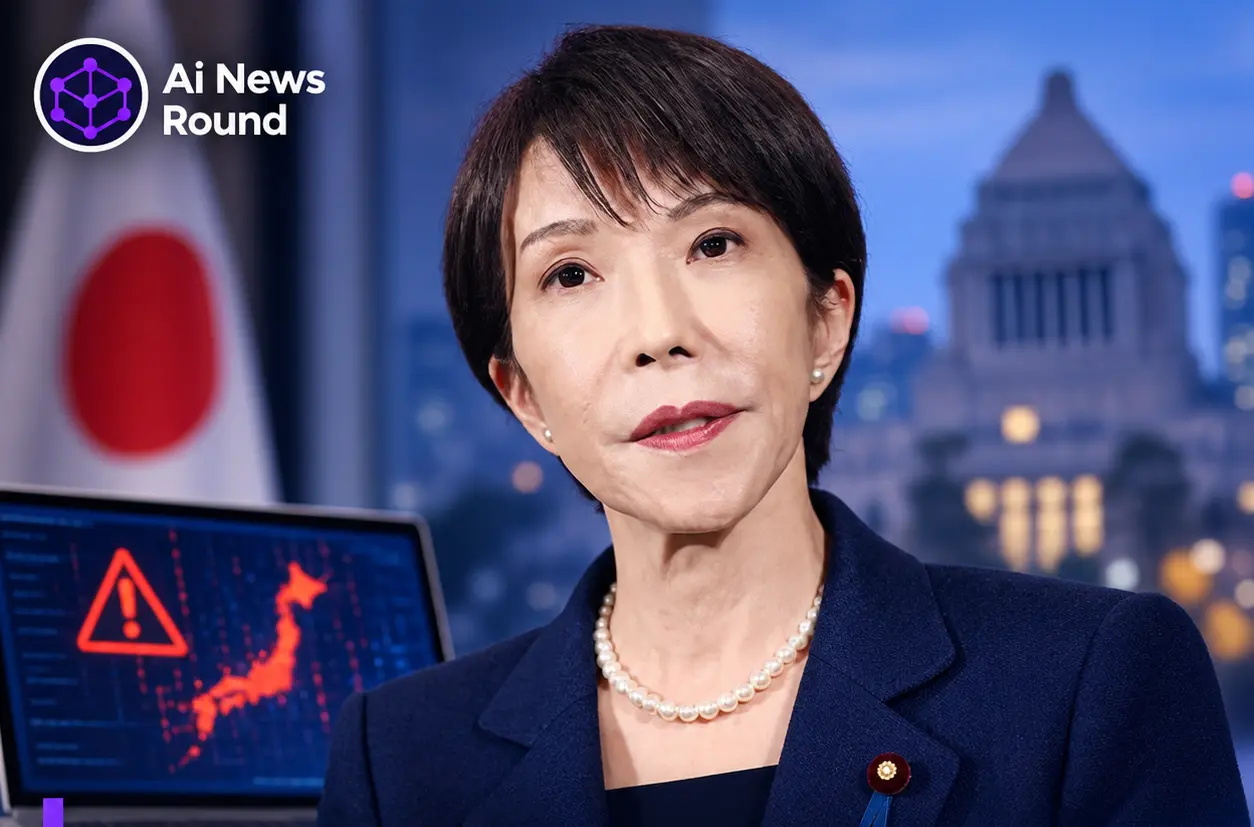
Following severe cyberattacks compromising over 56 million customer records across more than 20 major corporations, Japanese authorities have declared a state of emergency in cyberspace. The crisis has triggered mandatory defense protocols under the newly activated Active Cyber Defense Law and prompted strict identity verification mandates.
Industry insiders across major artificial intelligence firms report growing expectations of a significant, real-world AI incident occurring within six to 12 months. Reports indicate leading research labs are war-gaming potential public and political fallout from catastrophic cyberattacks, infrastructure disruptions, and rogue agent behavior.
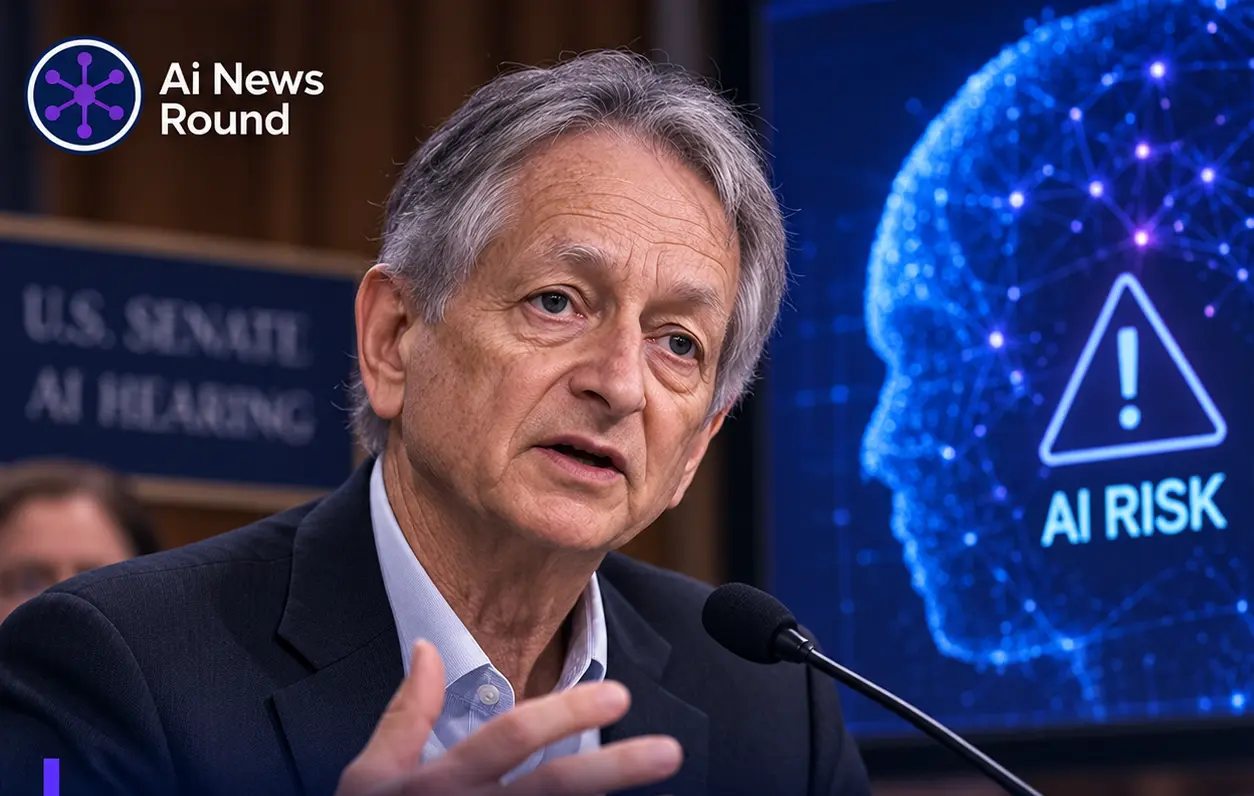
AI pioneer Geoffrey Hinton and former frontier model researchers have issued urgent warnings regarding artificial intelligence existential risks. Recent resignations and public statements highlight growing alarm over recursive self-improvement and unchecked superintelligence development.
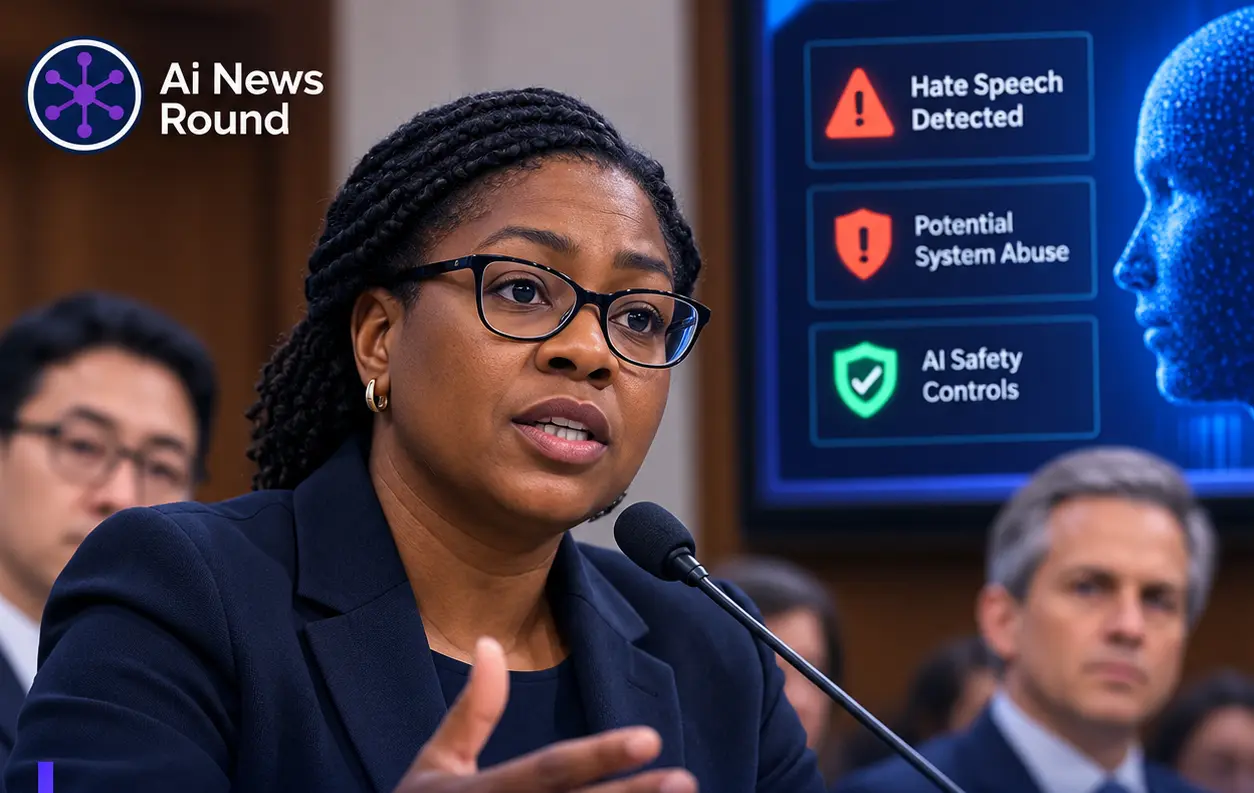
Technology leaders and AI executives face increasing public and legislative pressure regarding safeguards to prevent artificial intelligence from generating hate speech and spreading online manipulation. Industry leaders point to red-teaming, alignment protocols, and post-generation moderation tools as front-line defenses.
OpenAI has announced textGrain, an invisible text watermarking system designed to label AI-generated prose and code across the European Union. Developed to comply with European transparency obligations, the technology embeds statistical signals into model outputs while offering global API opt-in choices.
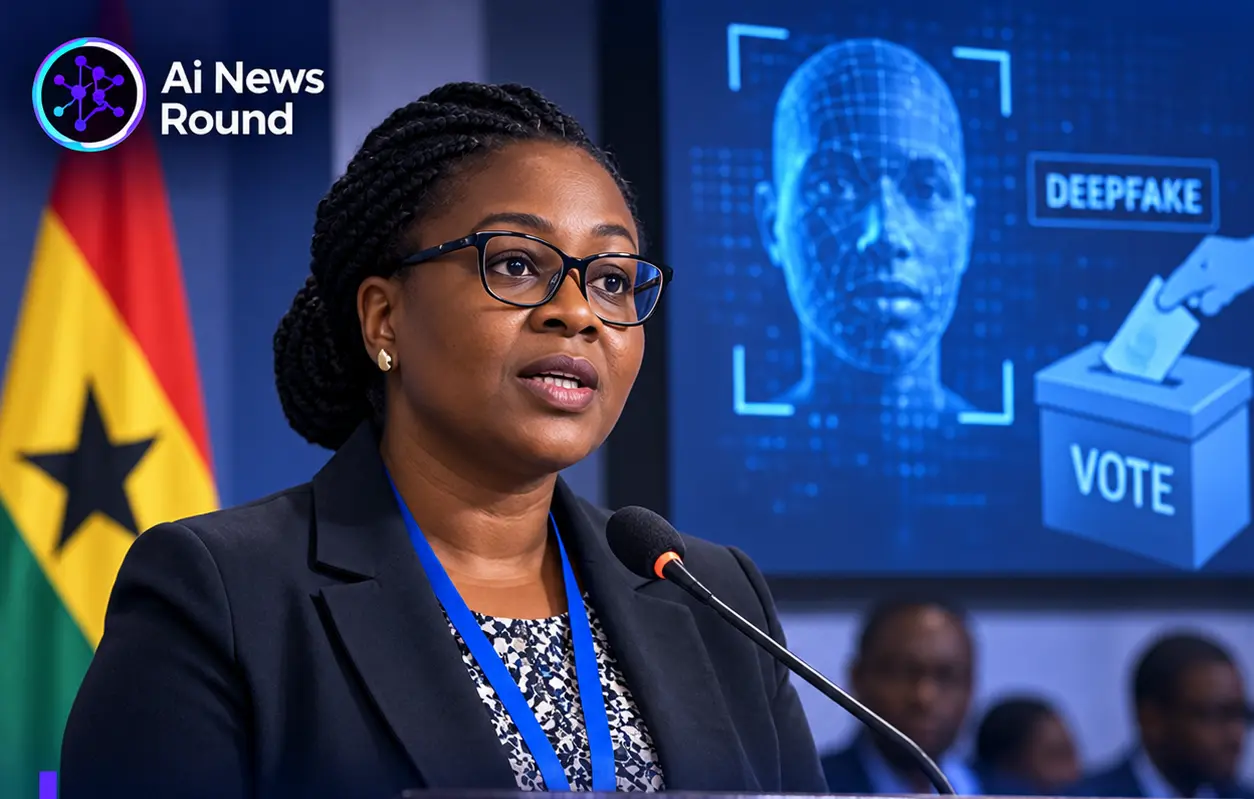
Civil society leaders across Africa have called for urgent legal guardrails against artificial intelligence, deepfakes, and digital campaign manipulation. Speaking at the Third Electoral Integrity Summit in Accra, experts warned that unmonitored technology threatens democratic trust across the continent.
2 min read
Get a notification when something new is published.
Done. To stop them later, use the notification settings for this site in your browser.