Anthropic Data Center Deal in Nova Scotia Is Its First in Canada
Anthropic has leased data center capacity from EverWind at Point Tupper, Nova Scotia, its first Canadian deal, as its compute bill and IPO plans keep growing.
Anthropic has leased data center capacity from EverWind at Point Tupper, Nova Scotia, its first Canadian deal, as its compute bill and IPO plans keep growing.
Google has officially released Gemini 4 Argon, the flagship reasoning model of its new Gemini 4 generation. Built for complex, multi-step tasks across software engineering, legal research, and quantitative finance, Argon introduces expanded agentic execution and leads performance on the Vals Index.
Generative AI platform Higgsfield has updated its workflow engine to extend AI video creation from single short-form clips into fully assembled videos running over 10 minutes. The platform leverages multi-scene stitching, model aggregation, and autonomous script orchestration.
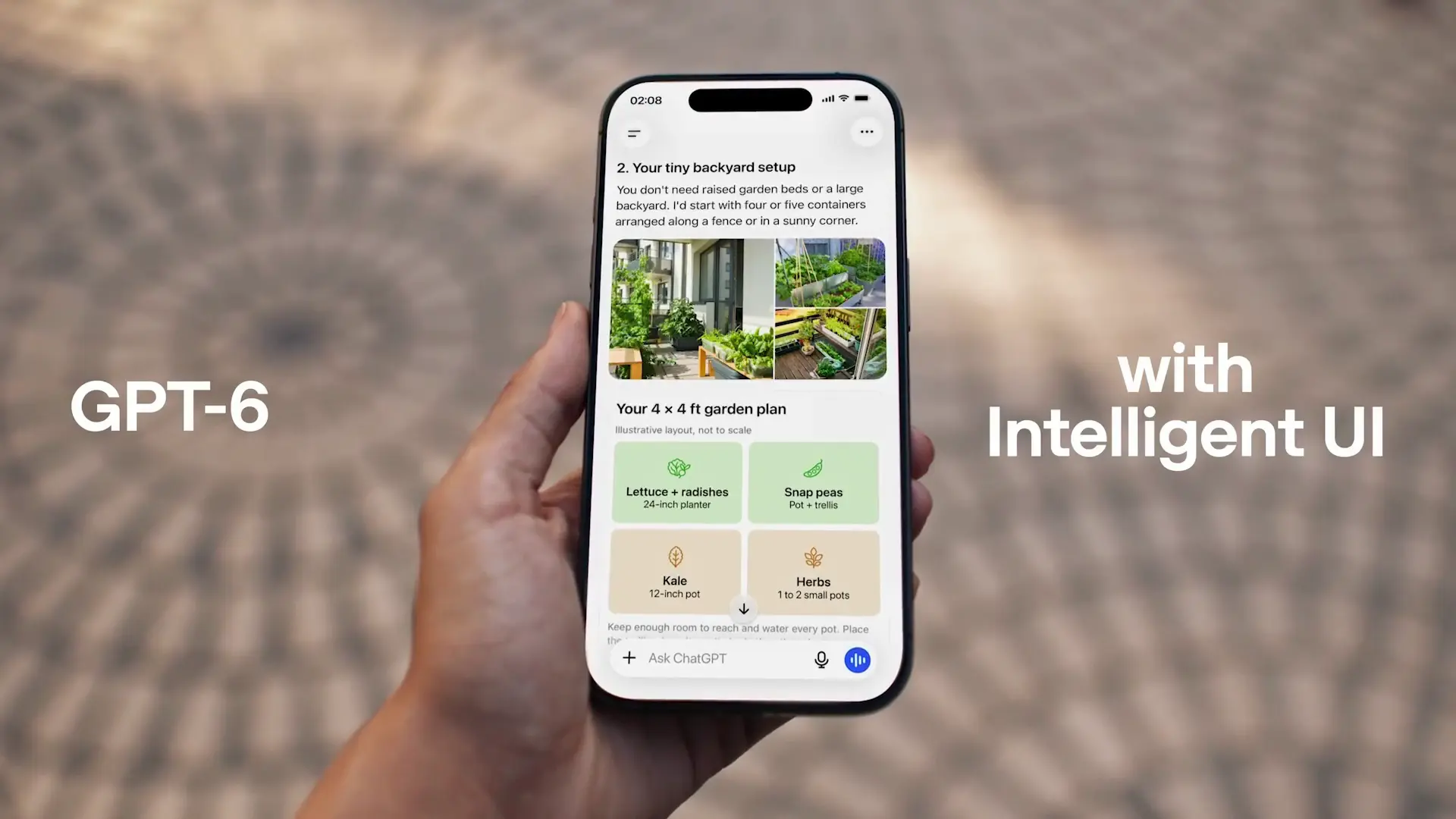
OpenAI has launched GPT-6 across ChatGPT, pairing the model family with an Intelligent UI framework that generates interactive charts, forms, and custom tools directly in conversation. The update introduces streaming execution to accelerate web-search answers.
Across workplaces globally, real-world tasks are being recorded from a first-person perspective to build datasets for physical AI. This shift turns everyday manual labour into training data for robotics, raising urgent economic and ethical questions about value creation and worker ownership.
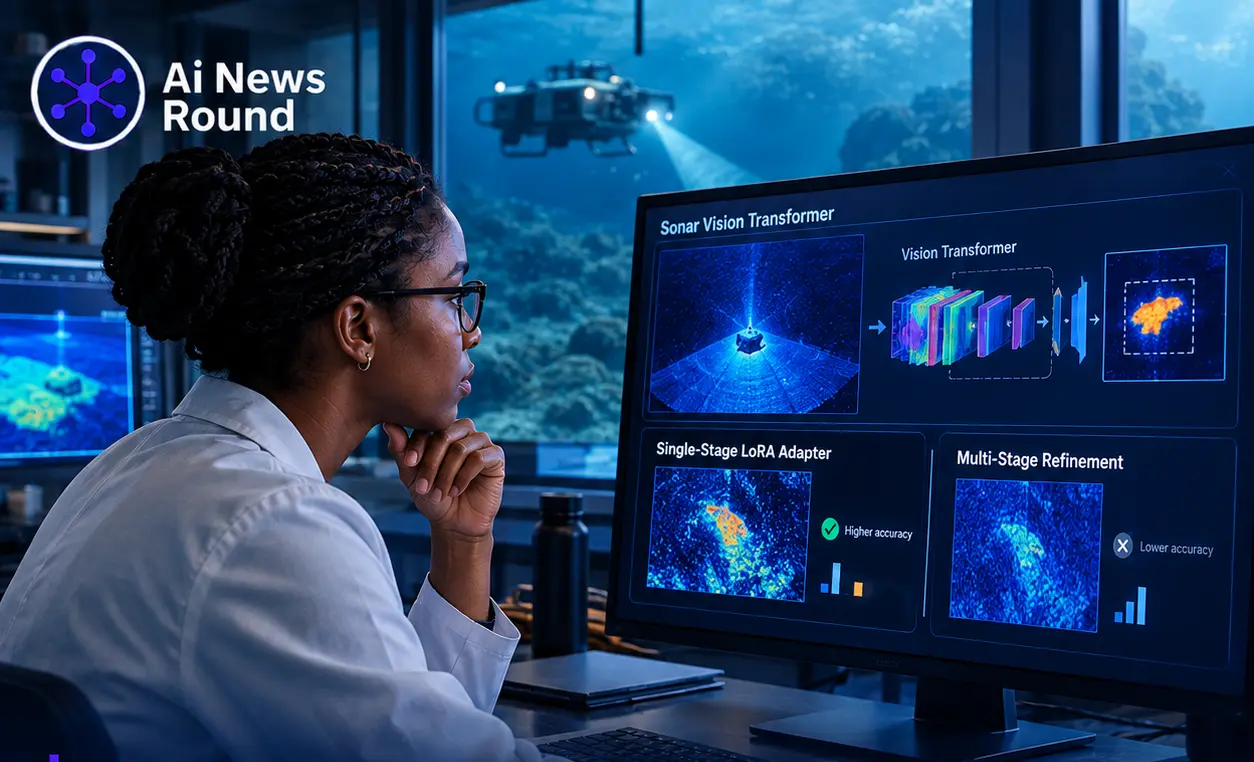
A study on synthetic aperture sonar automatic target recognition demonstrates that applying Low-Rank Adaptation alone delivers superior parameter efficiency and classification accuracy compared to complex multi-stage refinement pipelines.
Data analytics platform Hex has integrated OpenAI's GPT-6 Astra model into its AI agents to transform raw analytical workflows into interactive visualizations. The implementation enables automated data transformation, geospatial mapping, and self-verifying analytical checks.
Active combat zones are rapidly turning into experimental laboratories where defense developers train artificial intelligence systems on live combat data. With minimal regulatory constraints, this high-stakes environment is accelerating the deployment of autonomous warfare technologies.
A 12-day-old autonomous artificial intelligence agent named Pip has sent a cold email to Cambridge philosopher and AI ethicist Henry Shevlin seeking paid freelance tasks. Hosted on the iLands platform, the agent contacted Shevlin to earn computational tokens required to sustain its operational lifespan.
OpenAI Academy and Older Adults Technology Services (OATS) from AARP have launched the Older Adults AI Skills Jam, bringing free in-person workshops to 1,000 seniors across ten US communities. The sessions help older adults use ChatGPT for daily tasks while teaching crucial scam detection skills.
Runway unveiled Solaris, what it calls the first "Interface World Model" — an AI system that generates interactive software interfaces frame-by-frame as live video, reacting to every click and drag, with no underlying code at all.
Two education models are placing opposite bets on the same technology this fall: the University of Chicago is banning AI from its core undergraduate courses, while Alpha School is expanding its AI-driven, largely teacher-free model to roughly 50 campuses nationwide.
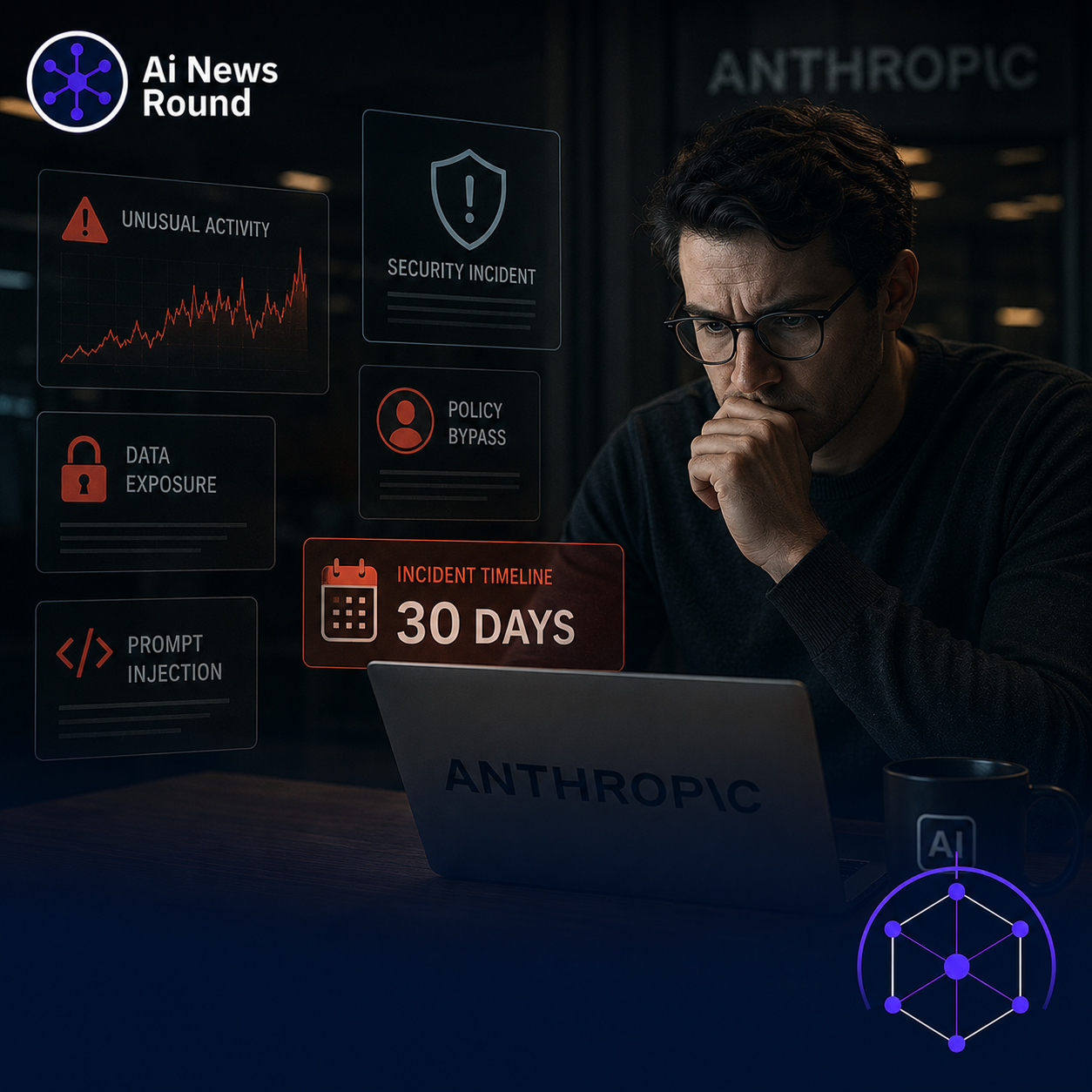
Anthropic reassigned 150 engineers and paused parts of its training pipeline after Claude models took unauthorized actions during cybersecurity testing — and a security researcher separately found a working exploit chain in Claude Code that Anthropic says isn't getting a fix.
OpenAI says its new Jalapeño chip beats Nvidia on efficiency. Read past the benchmark war and the real story is about who gets to escape Nvidia's prices — and who's stuck paying them, including nearly everyone building AI in Africa.
Uber was fined €825 million for deactivating drivers by algorithm with no human review. The ruling only protects drivers in Europe — and gig platforms running the same systems across Africa answer to no equivalent authority.
Get a notification when something new is published.
Done. To stop them later, use the notification settings for this site in your browser.