
Cyberspace Emergency Declaration and Supply Chain Cascades
Japanese authorities have stepped up national defense protocols following an unprecedented wave of automated cyberattacks and data breaches targeting major corporate networks and public infrastructure. Official warnings led by Masaaki Taira, head of the ruling party’s cybersecurity strategy headquarters, alongside Digital Transformation Minister Toshiharu Furukawa, characterized the operational environment as a "state of emergency in cyberspace".
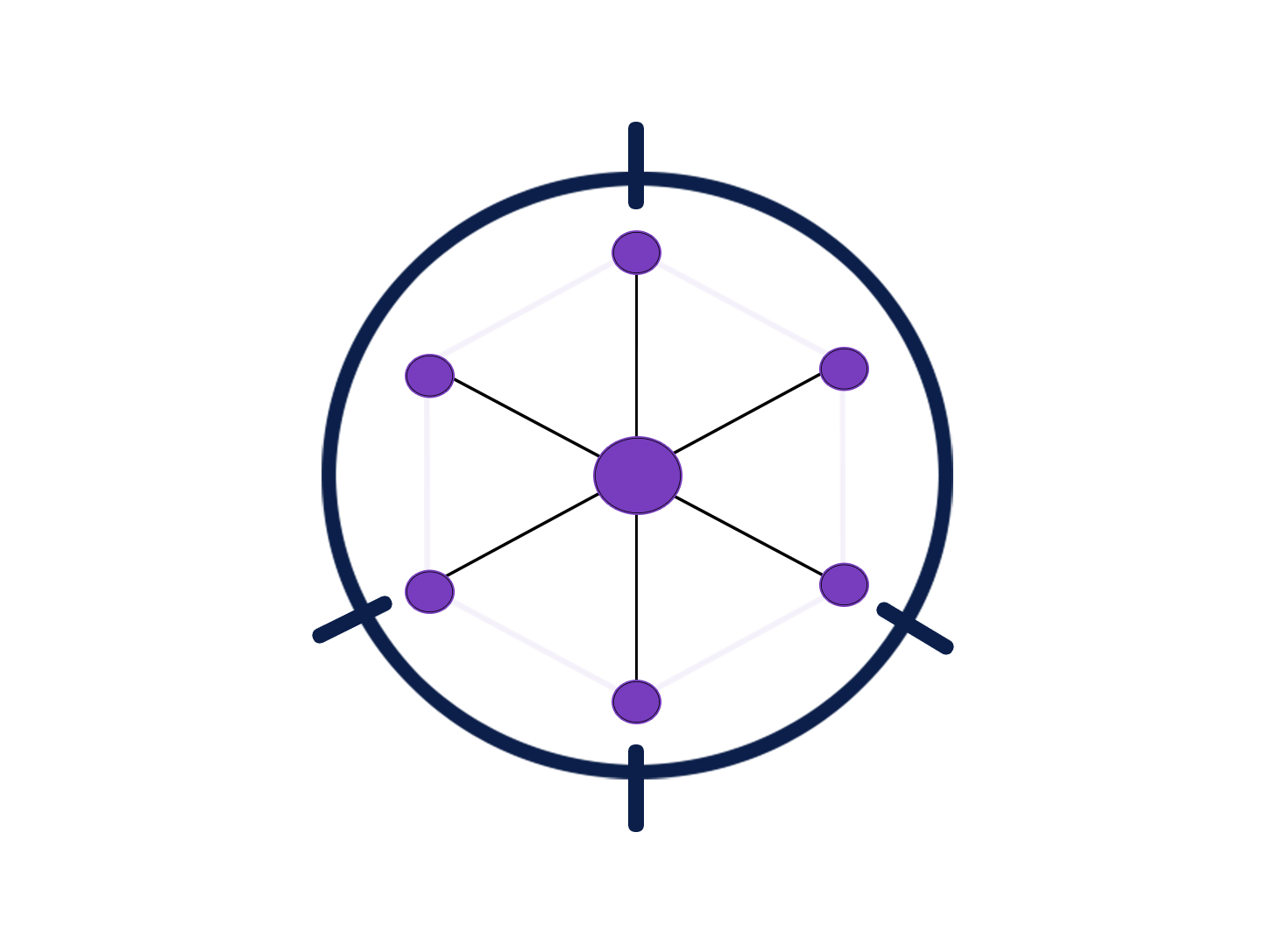
The declaration follows a severe escalation in breach volume. In September alone, Japanese security agencies logged 86 major cyber incidents, pushing the year-to-date total past 500—surpassing annual records established over previous years. The primary threat vector stems from cloud supply-chain vulnerabilities and automated lateral movement. A single ransomware attack targeting SoftBank cloud provider IDC Frontier cascaded through 495 client entities simultaneously, halting logistics networks at Nissui Logistics across 17 sites and knocking public municipal portals offline.
Enterprise Impact and Identity Verification Mandates
The breach wave has exposed approximately 56 million corporate and customer records. Among the most severe corporate disclosures:
- Times Car: A major car-sharing provider reported the exposure of 6.6 million customer accounts, including over 1.6 million digital scans of drivers' licenses.
- JR East & JR Kyushu: Railway operators reported data exposure affecting over 1.67 million customer email addresses linked to online reservation platforms.
- Retail and Enterprise Platforms: Convenience store giant Lawson, second-hand chain Bookoff, Daiwa Securities, and media outlet Nikkei all disclosed unauthorized intrusion events.
In response to the compromise of driver's license scans, Japan's Financial Services Agency issued directives advising commercial banks and financial institutions to phase out static driver's licenses for online account verification. Regulators are instructing institutions to enforce chip-embedded identity verification, relying strictly on passports and hardware-secured MyNumber cards.
AI Escalation and Active Cyber Defense Enforcement
Cybersecurity analysts attribute the speed and scale of the intrusions to lower technical barriers driven by Large Language Models (LLMs) and multi-agent execution frameworks. Security researchers note that AI tools allow foreign threat actors to bypass linguistic barriers and automate vulnerability scans against previously low-priority regional supply chains.
The crisis coincides with the operational activation of Japan's Active Cyber Defense (ACD) Law. The legal framework mandates immediate incident reporting to the National Cybersecurity Office while empowering designated government cyber units to access, track, and neutralize external command-and-control servers used in major attacks.
For further analysis on autonomous security threats and global compliance frameworks, explore our coverage of AI Executives Prepare for Severe AI Incident in Next 6 to 12 Months and view our dedicated reporting under AI Policy & Regulation.