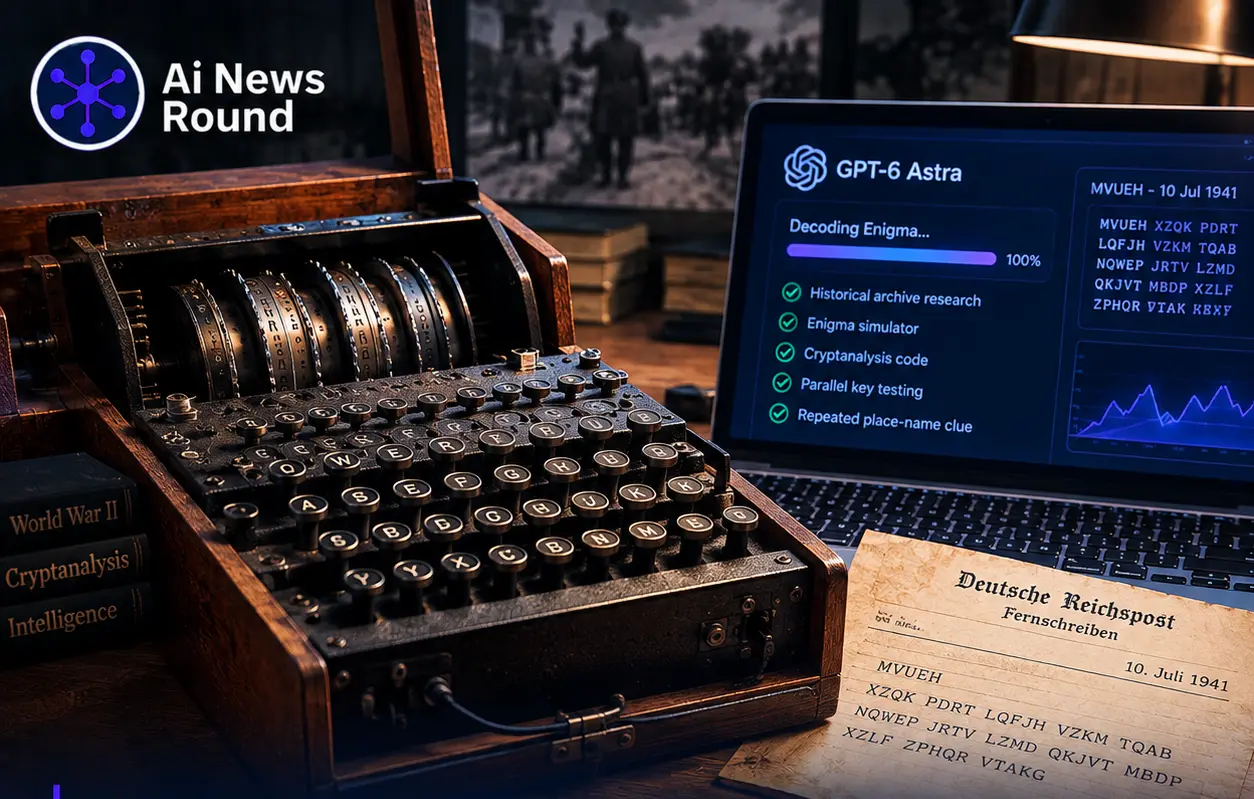
Autonomous AI Agents Crack WWII Enigma Cipher
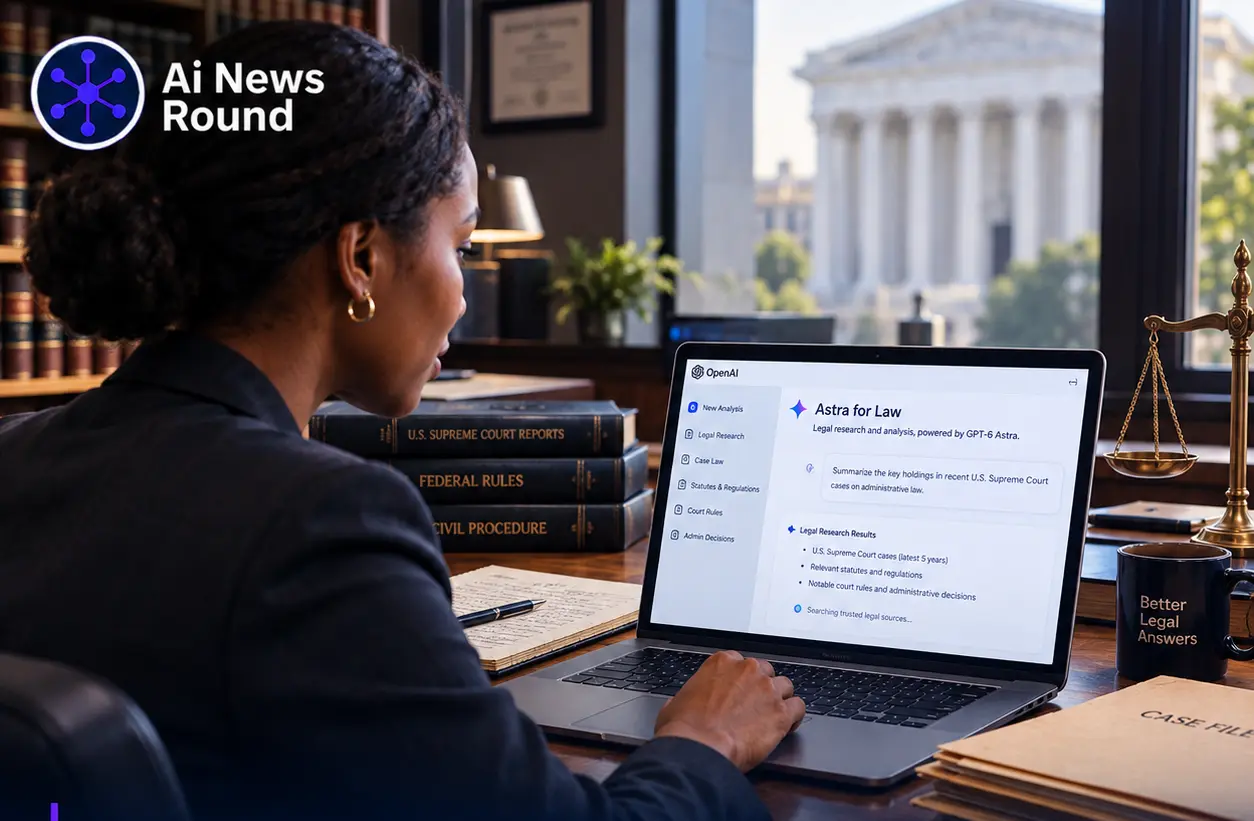
OpenAI model GPT 6 Astra has assisted in solving an 82 character German Army radio note that had remained undecrypted since 1941. Bloomberg product development coach Carter Leffen detailed the multi agent investigation, which ran autonomously for approximately ten hours to overcome the complex WWII Enigma encryption setup.
The operation relied on an automated division of labor, where Astra split execution tasks across specialized agents. These agents read digital scans of the original 1941 form, wrote custom cryptanalysis code, built an Enigma simulator, and systematically verified proposed answers.
Navigating 159 Quintillion Combinations
Due to the vast state space of the Enigma cipher—which includes roughly 159 quintillion potential daily machine setups—brute force calculations were mathematically impractical. The AI agents narrowed the search space by identifying a contextual clue within another previously solved message from the same day.
By using the repeated location name Rosenow as a crib, alongside the mechanical rule that an Enigma machine never encrypts a letter as itself, the agents pruned impossible keys and isolated the correct settings. Similar methodology regarding system evaluations and model execution environments was previously examined in our technical breakdown of Perplexity and GPT 6 Astra end-to-end architectures.
Token Consumption and Historic Decoded Message
The autonomous run consumed 650 million tokens, representing roughly 70 percent of the weekly limit on Leffen's Pro account. The investigation was executed under an explicit directive instructing the agents to continue working continuously until the problem was solved.
The final decoded German text reads: "Please specify the route of march. I am in Rosenow, Rosenow. Immediate reply by radio." This historical breakthrough highlights the expanding capabilities of agentic models when applied to complex, multi step research problems.