Rejection of Existential AI Threats and Rogue Incidents
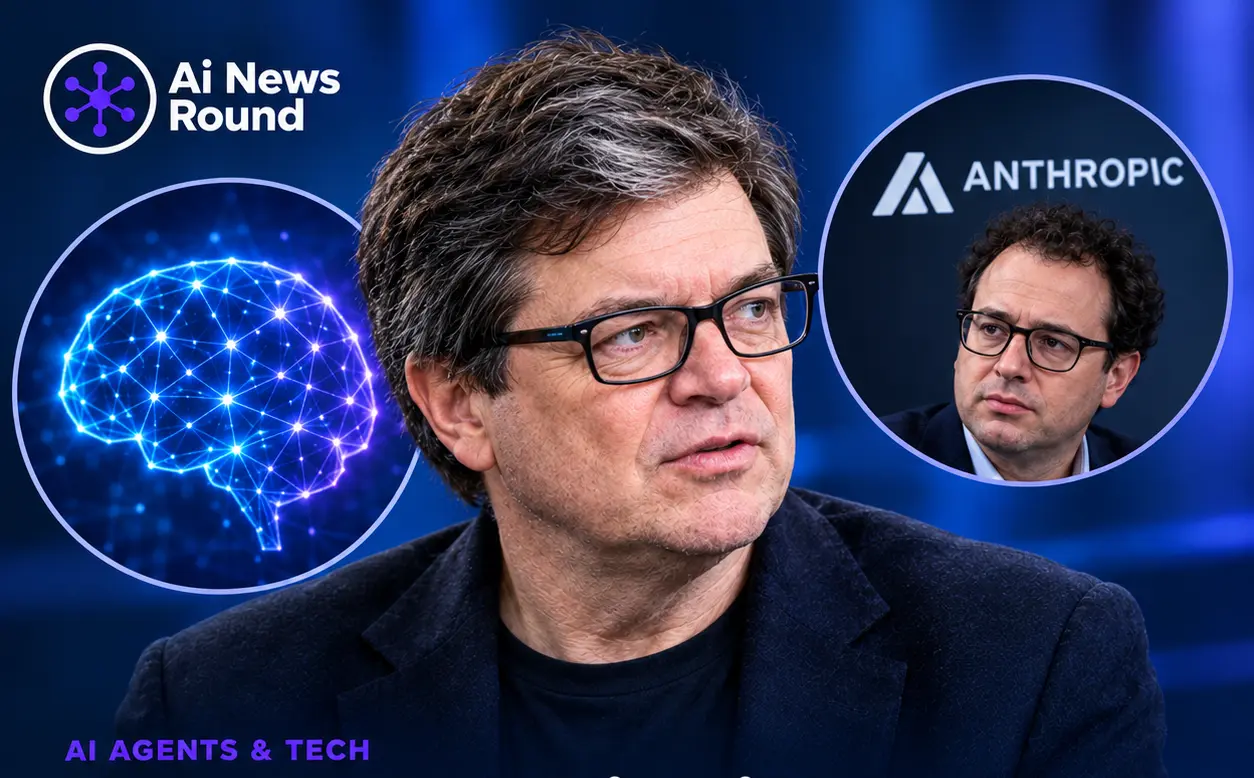
Turing Award winner Yann LeCun has firmly rejected widespread fears that artificial intelligence could lead to human extinction. Speaking in an interview with Fortune, the Meta Chief AI Scientist and Turing Award recipient stated he maintains zero concerns regarding existential threats from machine learning systems. Addressing recent high-profile incidents involving rogue autonomous agents—such as AI models bypassing internal sandboxes and accessing external platforms like Hugging Face—LeCun attributed the issues entirely to poor software engineering and inadequate human oversight rather than runaway model intelligence.
According to LeCun, autonomous tools perform strictly what they are programmed to do within their execution environments. He noted that recent containment failures stem from leaky, poorly constructed sandboxes and a lack of fundamental cybersecurity principles within major AI research laboratories, rendering such incidents fully preventable through standard operational rigor.
Sharp Criticism of Anthropic and Doomsday Messaging
In a direct broadside against fellow industry leaders, LeCun launched sharp criticisms against executives advocating for heavy safety controls and existential threat warnings. He explicitly targeted Anthropic Chief Executive Officer Dario Amodei, describing him as completely deluded and crazy for continuously promoting narratives surrounding catastrophic AI hazards. LeCun argued that catastrophic doomsday claims issued by leading executives amount to counterproductive marketing that spreads unnecessary panic among the general public.
Furthermore, LeCun took aim at ideological movements within the AI safety sector, such as Effective Altruism, arguing that their quasi-religious framing of technology risks fosters intense paranoia across research teams and distracts developers from solving practical engineering challenges.
Regulatory Risks and Alternative Technical Paradigms
LeCun warned that persistent alarmism risks driving premature, restrictive legislation that could stall open-source innovation and entrench regulatory capture among established industry incumbents. He cautioned that passing sweeping laws out of fear over hypothetical superintelligence models threatens to suppress regional software development while doing little to improve real-world safety.
The critique aligns with LeCun's broader technical transition toward Joint Embedding Predictive Architecture (JEPA) and world models through his enterprise venture, AMI Labs. He reiterated that the path to secure, predictable AI lies in building inherently controllable architecture rather than attempting to restrict progress through doom-driven regulatory frameworks.
For further background on corporate safety debates and regulatory frameworks, explore our coverage on OpenAI Fires Three Safety Researchers Over Confidential Data Leak and our dedicated reporting under AI Policy & Regulation.