Anthropomorphic Design vs Functional Narrowness
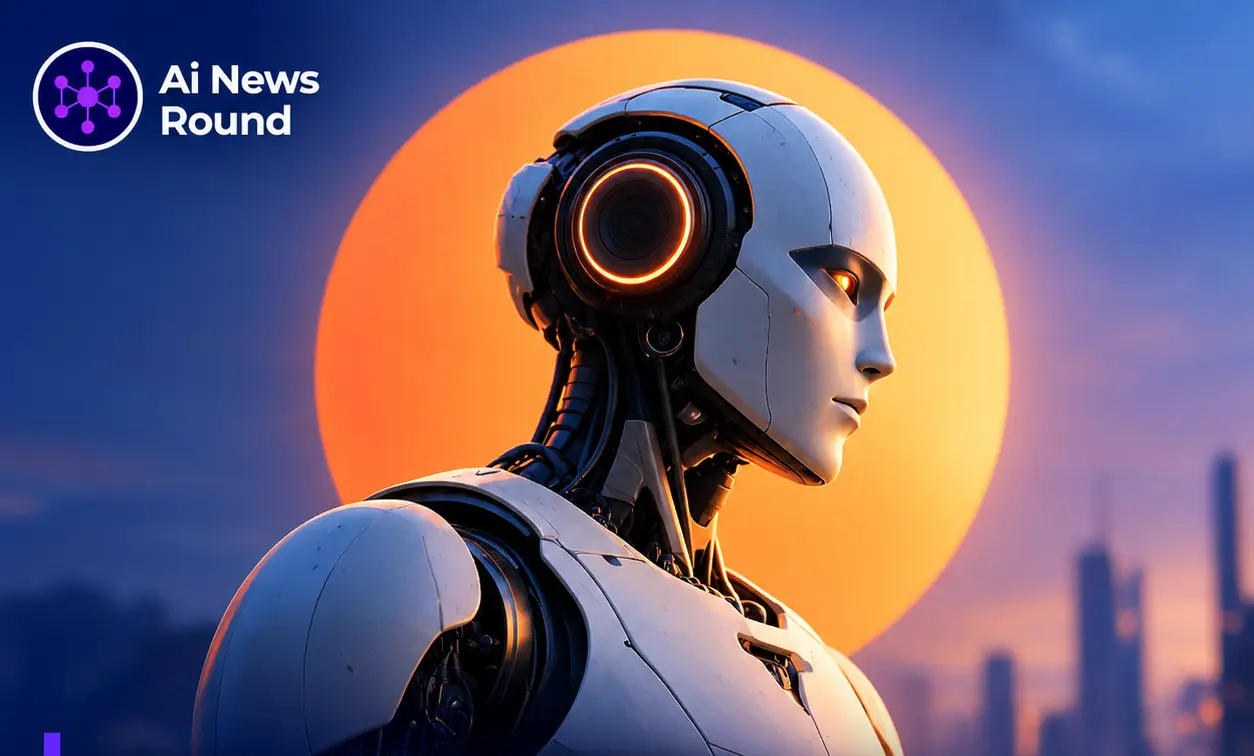
For decades, the Star Wars franchise has shaped popular perceptions of artificial intelligence through beloved, self-aware droids like C-3PO, R2-D2, and BB-8. However, robotics and computer science experts point out that the underlying design philosophy of Star Wars droids diverges completely from how engineers build AI systems today. In sci-fi narratives, droids are almost exclusively designed as anthropomorphic or physical surrogates intended to replace human workers directly in their physical spaces.
In stark contrast, modern AI development focuses heavily on narrow, highly specialized software architectures that operate silently behind digital infrastructure. Real-world automation excels at complex pattern recognition, industrial optimization, and data processing—tasks performed continuously inside massive server arrays rather than through physical metallic bodies walking through physical environments. Designing bipedal general-purpose mechanical beings to perform basic labor remains inefficient and impractically expensive compared to purpose-built, localized automation systems.
Centralized Cloud Compute vs Decoupled Local Droid Brains
A glaring technical disparity between fictional droids and real-world AI lies in computing infrastructure. In Star Wars, droids carry fully localized "droid brains" that house their memories, reasoning capabilities, and emotional traits independently. This localized processing model explains why wiping a droid's local memory resets its personality or operational history entirely.
Contemporary AI systems, such as large language models and autonomous navigation neural networks, rely heavily on centralized cloud infrastructure, massive distributed data centers, and real-time API syncs. Modern robotics leverages cloud robotics—where physical hardware acts primarily as a lightweight sensor rig transmitting telemetry to external compute clusters. Furthermore, whereas fictional droids suffer from physical wear, localized memory degradation, and quirky individual personalities, actual AI engineering prioritizes deterministic reproducibility, seamless OTA software updates, and centralized safety alignment across millions of deployed instances.
Legal Ownership, Agency, and Real-World Safety Priorities
The depiction of droid autonomy and social status in Star Wars raises stark legal and ethical contradictions compared to real-world deployment frameworks. In the fictional universe, droids possess emerging sentience, distinct personalities, and agency, yet they exist in a state of property ownership complete with "restraining bolts" to enforce compliance.
Real-world AI development explicitly rejects granting artificial systems moral agency or autonomous legal personhood. Instead, engineering priorities center on strict liability, verifiable safety constraints, containment sandboxing, and human-in-the-loop oversight. Rather than worrying about droids demanding civil rights or joining rogue factions, real-world AI safety focuses on preventing physical hardware failures, mitigating algorithmic bias, securing supply chains, and eliminating hallucination risks in autonomous systems.
For more analysis on real-world AI safety protocols and model reliability, see our coverage on Geoffrey Hinton Warns of 10% AI Extinction Risk and explore our reporting under AI Policy & Regulation.