
Architectural Consolidation and Platform Scale
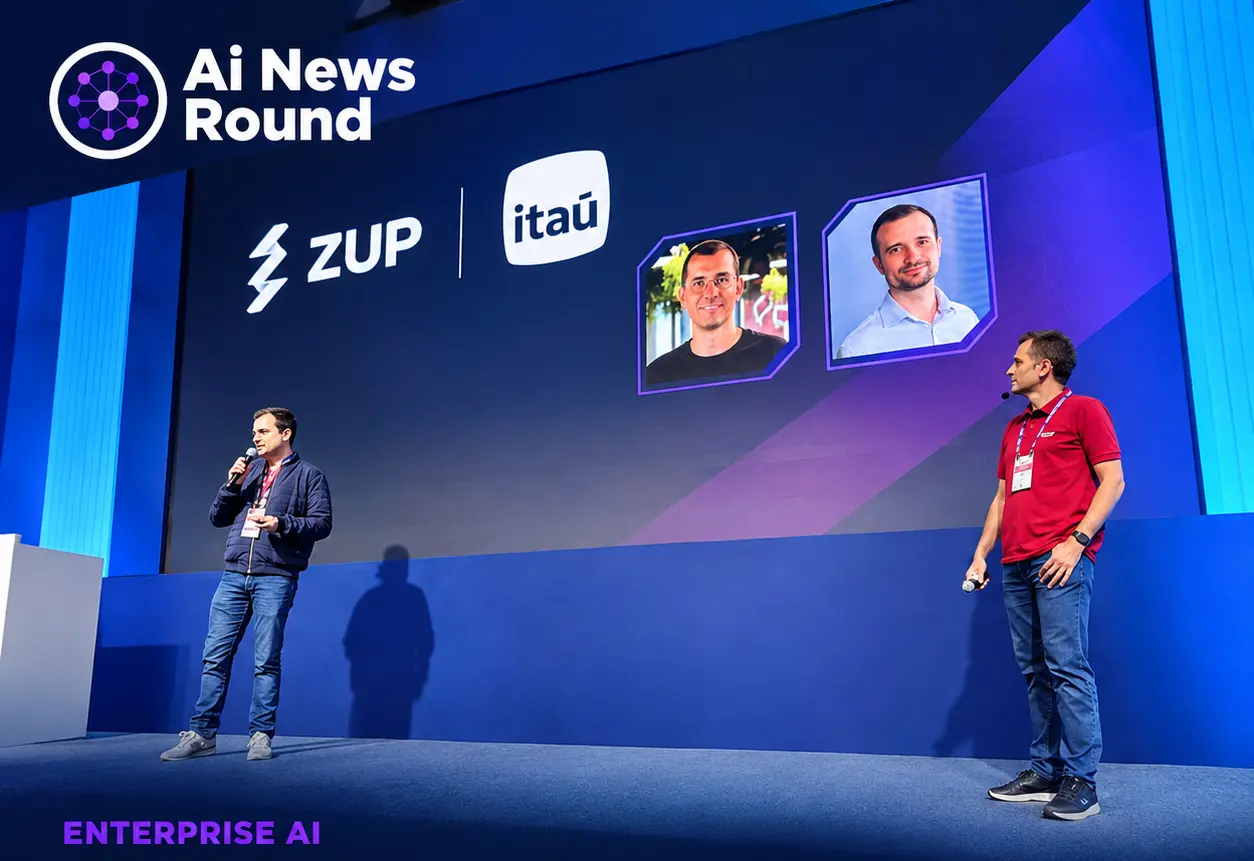
As Latin America's largest financial institution with over 70 million account holders, Itaú Unibanco faces the challenge of scaling digital interactions without compromising security or regulatory compliance. To bridge high-volume customer service with personalized financial advisory, the bank has transitioned away from fragmented, legacy point solutions in favor of a centralized generative artificial intelligence platform built on Amazon Web Services (AWS).
Itaú's digital transformation strategy centers on unifying customer data repositories to eliminate operational silos. Historically, contact center agents and digital workflows required navigating dozens of disparate internal pages to resolve single customer inquiries. By deploying an enterprise generative AI engine integrated with cloud observability frameworks and customer experience orchestration tools, Itaú has consolidated customer history, transactional telemetry, and product knowledge bases into a real-time context layer. This foundation enables the bank to deploy conversational agents and automated tools capable of handling complex queries across current accounts, consumer credit, and investment portfolios.
Hybrid Deployment: Augmenting Human Agents and Direct Client Tools
Rather than relying solely on unassisted customer-facing chatbots, Itaú’s generative AI strategy operates across a dual-layer deployment model:
- Direct Customer-Facing Agents: Generative interfaces within the mobile banking application handle routine account management, statement analysis, and initial query triage, providing instant resolutions across millions of daily active sessions.
- Agentic Workspaces for Human Support: In contact center operations involving 10,000 customer service representatives, AI agents run alongside human staff. The system generates real-time call summaries, pulls relevant regulatory documentation, and suggests next best actions, significantly reducing average handling times.
To maintain institutional trust, Itaú implemented strict guardrails around data privacy and transaction validation. The platform utilizes row-level access controls and dedicated encryption layers, ensuring that conversational models access only authorized customer data without leaking sensitive financial telemetry into global training sets. Furthermore, high-stakes transactional executions—such as credit line modifications or investment transfers—require explicit multi-factor user authorization before execution.
Long-Term Enterprise Impact and Cloud Modernization
The scaling of customer-facing generative AI aligns with Itaú Unibanco’s overarching goal of migrating 100 per cent of its core technology stack to the cloud. By modernizing its backend architecture, the bank has dramatically lowered the unit cost of customer servicing while accelerating feature deployment speed.
As financial institutions globally navigate the transition from basic informational chatbots to autonomous, task-executing AI agents, Itaú’s platform model demonstrates how legacy banks can leverage proprietary data and cloud infrastructure to compete with digital-native fintech competitors at enterprise scale.
For further analysis on enterprise agent deployment and cloud optimization, explore our coverage of Asana Slashes Browser Agent Costs 76-Fold and view our dedicated reporting under Tools & Applications.